Category: Preschool Homeschool

  • Respect

    Respect

    Nurturing Respect: Fostering a Culture of Dignity and Empathy among Preschoolers


    Respect is a fundamental value that forms the cornerstone of positive relationships, empathy, and social cohesion. In the context of preschoolers, cultivating a culture of respect lays the groundwork for their social and emotional development, fostering a sense of dignity, empathy, and inclusivity. This article delves into the importance of respect in the lives of preschoolers and explores various aspects of respect that can be nurtured within early childhood settings.


    I. Respecting Individuality: Embracing Uniqueness

    Respecting individuality is about valuing and embracing the unique qualities, interests, and abilities of each preschooler. It involves creating an inclusive environment that celebrates diversity and encourages children to appreciate and learn from one another’s differences.

  • Appreciating Cultural Diversity: Building Bridges of Understanding

    Preschoolers come from various cultural backgrounds, and fostering respect requires creating opportunities for them to explore and appreciate diversity. Through books, music, art, and celebrations, educators can introduce different cultures, traditions, and languages, enabling preschoolers to develop a sense of curiosity, respect, and empathy towards diverse cultures.

  • Respecting Gender Identity: Breaking Stereotypes

    Respecting preschoolers’ gender identity involves creating an environment that acknowledges and supports their self-expression and individuality. By challenging traditional gender stereotypes and offering open-ended play materials and activities, educators can empower preschoolers to explore a wide range of interests, roles, and possibilities, fostering respect for gender diversity.


    II. Promoting Empathetic Connections: Understanding Others’ Perspectives

    Empathy is a key component of respect, as it allows preschoolers to understand and relate to the experiences, feelings, and perspectives of others. By promoting empathetic connections, educators can lay the foundation for respectful relationships and foster a sense of compassion among preschoolers.

  • Encouraging Perspective-Taking: Stepping into Others’ Shoes

    Perspective-taking activities enable preschoolers to see the world from different points of view. Through storytelling, role-playing, and discussions, educators can help preschoolers develop empathy by imagining and understanding the thoughts and feelings of others. These activities build bridges of understanding and promote respectful interactions.

  • Teaching Conflict Resolution: Constructive Problem-Solving

    Conflict is a natural part of social interactions, and teaching preschoolers effective conflict resolution strategies cultivates respect and empathy. Educators can guide preschoolers to express their feelings, actively listen to others, find common ground, and collaboratively solve problems. By providing them with these essential skills, educators empower preschoolers to resolve conflicts peacefully and maintain positive relationships.


    III. Establishing Safe and Nurturing Environments: Creating Trust and Security

    A safe and nurturing environment is essential for preschoolers to feel respected, valued, and secure. Creating such an environment involves establishing clear boundaries, providing emotional support, and promoting positive discipline practices.

  • Setting Clear Expectations: Boundaries with Respect

    Clear expectations and rules help preschoolers understand what is acceptable behavior within their learning environment. By explaining expectations in a positive and respectful manner, educators can foster an understanding of boundaries while promoting self-regulation and responsible decision-making.

  • Positive Guidance and Discipline: Teach, Guide, and Empower

    Positive guidance and discipline techniques prioritize teaching, guiding, and empowering preschoolers rather than punishing or shaming them. By using strategies such as redirection, modeling appropriate behavior, and providing praise and encouragement, educators can foster a sense of respect, self-control, and accountability among preschoolers.


    IV. Role Modeling: Inspiring through Actions

    Preschoolers learn by observing and imitating the behaviors of the adults around them. Educators and caregivers play a crucial role in modeling respectful behaviors and interactions, serving as powerful examples for preschoolers to follow.

  • Responsive Communication: Active Listening and Validation

    Listening attentively to preschoolers’ thoughts, ideas, and concerns conveys respect for their voices and fosters open communication. By validating their emotions and actively engaging in meaningful conversations, educators demonstrate the value of respectful communication and encourage preschoolers to express themselves with confidence and respect.

  • Cultivating Positive Relationships: Building Trust and Connection

    Developing positive relationships with preschoolers is key to nurturing respect. By forming secure attachments, showing genuine interest, and demonstrating care and kindness, educators establish a foundation of trust and connection. These relationships provide a framework for preschoolers to develop respectful relationships with others and foster a sense of belonging.

    In a world where respect and empathy are essential for positive human interactions, instilling these values in preschoolers is of utmost importance. By respecting individuality, promoting empathetic connections, creating safe and nurturing environments, and serving as positive role models, educators and caregivers can lay the groundwork for a future generation that embraces respect, dignity, and empathy. Let us commit to fostering a culture of respect among preschoolers, nurturing their innate capacity for compassion, understanding, and inclusive attitudes.


    V. Teaching Respectful Behavior: Building Social Skills

    Teaching preschoolers respectful behavior involves equipping them with social skills that promote positive interactions and relationships with others. By providing explicit instruction, guidance, and opportunities for practice, educators can help preschoolers develop the necessary skills for respectful behavior.

  • Active Listening: Valuing Others’ Perspectives

    Active listening is a vital skill that cultivates respect by demonstrating a genuine interest in others’ thoughts and feelings. Educators can teach preschoolers active listening techniques, such as making eye contact, nodding, and summarizing what they have heard. By practicing active listening, preschoolers learn to value and acknowledge the perspectives of others.

  • Empathy and Perspective-Taking: Understanding Others’ Feelings

    Empathy is the ability to understand and share the feelings of others. Educators can facilitate empathy development by encouraging preschoolers to consider how their actions might impact others and guiding them to imagine how they would feel in similar situations. Through storytelling, role-playing, and discussions, preschoolers can develop a sense of empathy and enhance their understanding of others’ emotions.

  • Politeness and Manners: Treating Others with Courtesy

    Politeness and good manners are essential aspects of respectful behavior. Educators can teach preschoolers simple phrases such as “please,” “thank you,” and “excuse me,” as well as the importance of waiting their turn and using kind words. By consistently reinforcing and modeling polite behavior, educators help preschoolers understand the significance of treating others with courtesy and respect.

  • Cooperation and Collaboration: Working Together

    Cooperation and collaboration are vital skills for respectful interactions. Educators can engage preschoolers in group activities that require cooperation, such as building projects, group discussions, or shared storytelling. By emphasizing the value of teamwork and providing opportunities for preschoolers to collaborate, educators foster an environment that encourages respectful and inclusive interactions.


    VI. Emotional Regulation: Respecting Self and Others

    Respecting oneself and others involves recognizing and managing emotions in a healthy and respectful manner. Educators can support preschoolers in developing emotional regulation skills, enabling them to express their feelings appropriately and respond to others with empathy and respect.

  • Emotional Awareness: Recognizing and Naming Emotions

    Educators can help preschoolers build emotional awareness by teaching them to identify and label their emotions. Through activities such as emotion charts, role-playing, and storytelling, preschoolers can develop a vocabulary for expressing their feelings. This understanding enables them to communicate their emotions respectfully and seek support when needed.

  • Calming Techniques: Managing Strong Emotions

    Teaching preschoolers calming techniques empowers them to handle strong emotions in a respectful manner. Educators can introduce strategies like deep breathing, counting to ten, or taking a break in a designated quiet area. By providing preschoolers with these tools, educators help them regulate their emotions, preventing impulsive reactions and promoting respectful behavior.

  • Conflict Resolution: Finding Win-Win Solutions

    Conflicts are an inevitable part of social interactions. Educators can guide preschoolers in resolving conflicts through respectful and peaceful means. By teaching problem-solving strategies, such as listening to each other’s perspectives, finding common ground, and seeking win-win solutions, preschoolers learn to approach conflicts with respect and empathy, fostering positive and harmonious relationships.


    VII. Promoting Self-Respect: Building a Positive Self-Image

    Respect begins with self-respect. Educators can create an environment that nurtures preschoolers’ self-esteem, self-worth, and confidence, laying the foundation for respectful relationships with others.

  • Encouraging Self-Expression: Valuing Personal Voice and Choices

    Preschoolers should feel empowered to express themselves and make choices within appropriate boundaries. Educators can provide opportunities for self-expression through art, music, storytelling, and discussions. By valuing preschoolers’ ideas and opinions, educators foster self-respect and encourage them to respect their own voice.

  • Strength-Based Approach: Celebrating Achievements and Efforts

    Recognizing and celebrating preschoolers’ achievements and efforts enhances their self-esteem and self-respect. Educators can use positive reinforcement, praise, and encouragement to acknowledge their accomplishments, both big and small. By focusing on their strengths and growth, educators help preschoolers develop a positive self-image and a sense of respect for their own abilities.

  • Creating a Safe Space: Supporting Emotional Well-being

    Preschoolers thrive in environments where their emotional well-being is prioritized. Educators can create a safe space where preschoolers feel comfortable expressing their emotions without judgment or criticism. By providing emotional support, offering reassurance, and fostering a climate of acceptance, educators contribute to the development of preschoolers’ self-respect and emotional resilience.


    VIII. Extending Respect beyond the Classroom: Community and Beyond

    Respect is not limited to the boundaries of the classroom; it extends to the wider community and beyond. Educators play a crucial role in helping preschoolers understand the importance of respect in their interactions with family, friends, and the broader society.

  • Family Engagement: Partnership in Promoting Respect

    Collaboration with families is essential in promoting respect. Educators can engage parents and caregivers in discussions, workshops, and activities that emphasize the significance of respect within the family unit. By fostering partnerships with families, educators reinforce consistent messages and support preschoolers’ understanding and practice of respect at home and in the community.

  • Community Connections: Exploring and Valuing Diversity

    Engaging preschoolers with the local community helps them develop an appreciation for diversity and respect for others. Educators can organize visits to community spaces, invite guest speakers from different cultural backgrounds, and initiate service-learning projects. These experiences broaden preschoolers’ horizons, promote empathy, and encourage them to contribute positively to their community.

    Fostering respect among preschoolers is a multifaceted process that encompasses valuing individuality, promoting empathetic connections, teaching respectful behavior, nurturing self-respect, and extending respect to the wider community. By incorporating these aspects into early childhood settings, educators can create a strong foundation for preschoolers’ social and emotional development. Let us commit to fostering a culture of respect that empowers preschoolers to become compassionate, empathetic, and responsible members of society.


    IX. Cultivating a Culture of Respect: Sustaining and Reinforcing

    Cultivating a culture of respect requires sustained efforts and ongoing reinforcement. Educators can implement strategies to ensure that respect remains a fundamental aspect of the preschool environment and that preschoolers continue to embody respectful attitudes and behaviors.

  • Consistency and Modeling: Leading by Example

    Consistency in modeling respectful behaviors is essential for preschoolers to internalize and replicate respectful attitudes. Educators should continuously demonstrate respect in their interactions with preschoolers, colleagues, and parents. By consistently modeling respectful behaviors, educators set a powerful example that preschoolers can emulate.

  • Reflection and Dialogue: Continual Learning and Growth

    Engaging in reflection and dialogue as educators allows for continuous learning and growth in promoting respect. Educators can regularly evaluate their practices, seek feedback from colleagues and families, and participate in professional development opportunities related to fostering a culture of respect. This ongoing self-reflection helps educators refine their strategies and approaches, ensuring that they are effective in nurturing respect among preschoolers.

  • Collaborative Problem-Solving: Addressing Challenges Respectfully

    Challenges and conflicts may arise within the preschool environment, requiring educators to address them in a respectful manner. Emphasizing collaborative problem-solving approaches helps preschoolers develop conflict resolution skills and reinforces the importance of respectful communication and empathy. By involving preschoolers in finding solutions to conflicts, educators empower them to take ownership of their actions and contribute to a respectful community.

  • Celebrating Respectful Acts: Reinforcing Positive Behavior

    Acknowledging and celebrating respectful acts by preschoolers reinforces their understanding and practice of respect. Educators can establish recognition systems, such as certificates or special mentions, to highlight instances of respectful behavior. Publicly recognizing and appreciating these actions not only reinforces positive behavior but also encourages others to emulate respectful attitudes and actions.


    X. Embracing the Journey: Continuous Improvement

    Nurturing respect among preschoolers is an ongoing journey that requires dedication and continuous improvement. Educators should embrace opportunities for growth, adapt their approaches based on new research and knowledge, and collaborate with colleagues to enhance their collective understanding of fostering respect.

  • Professional Learning Communities: Collaborative Growth

    Engaging in professional learning communities allows educators to collaborate and learn from one another. By sharing experiences, resources, and strategies, educators can collectively enhance their understanding of promoting respect and strengthen their practice. Collaboration within a community of educators fosters a supportive environment for continuous growth and improvement.

  • Engaging Families: Partners in Promoting Respect

    Collaboration with families is crucial for sustaining a culture of respect. Educators can actively involve families in discussions, workshops, and activities that reinforce the importance of respect. By fostering open lines of communication and seeking input from families, educators can create a cohesive approach to promoting respect that is consistent both at home and in the preschool environment.

  • Reflective Practice: Learning from Experiences

    Engaging in reflective practice allows educators to learn from their experiences and make informed decisions. Regularly reflecting on interactions, strategies, and outcomes helps educators identify areas of strength and areas for improvement in promoting respect. By actively seeking feedback, conducting self-assessment, and adjusting their approaches, educators can refine their practice and continuously enhance their effectiveness in nurturing respect.

    Nurturing a culture of respect among preschoolers requires intentional efforts, ongoing reflection, and collaborative engagement. Educators play a vital role in modeling respectful behavior, teaching social skills, promoting self-respect, and extending respect to the wider community. By cultivating a culture of respect within early childhood settings, educators create a foundation for preschoolers to develop empathy, inclusivity, and a deep understanding of the value of respect. Let us commit to this journey of fostering respect, empowering preschoolers to become compassionate, respectful individuals who positively contribute to society.

  • Practical Tips

    Practical Tips

    Preschooler Practical Tips: Nurturing Development and Well-being

    Raising preschoolers can be both a joyous and challenging experience. These young individuals are full of energy, curiosity, and a thirst for learning. As caregivers and educators, it is essential to provide them with the right tools and guidance to thrive during this crucial stage of their development. In this article, we will explore a range of practical tips that can help parents, teachers, and caregivers navigate the preschooler years with confidence and support the holistic growth and well-being of these young minds.


    Preschooler Practical Tips: Building a Strong Foundation

    The preschooler years are a critical time for cognitive, social, emotional, and physical development. By implementing practical strategies and techniques, we can create an enriching environment that supports preschoolers’ growth and helps them develop essential skills. Let’s delve into some practical tips that can make a significant difference in nurturing and fostering the potential of preschoolers.


    Establishing Routines: Providing Structure and Stability

    Preschoolers thrive in environments that offer consistency and predictability. Establishing daily routines can provide a sense of structure, stability, and security for preschoolers. Set regular mealtimes, bedtimes, and playtimes to help them develop a sense of time and routine. Communicate and reinforce expectations regarding behavior and responsibilities, allowing preschoolers to understand boundaries and feel secure within them.


    Encouraging Play-Based Learning: Unleashing Creativity and Imagination

    Play is the natural language of preschoolers. Encourage play-based learning experiences that allow them to explore, experiment, and create. Provide open-ended toys, art supplies, and imaginative play materials to stimulate their creativity and problem-solving skills. Engage in interactive play with them, fostering language development, social skills, and emotional expression.


    Promoting Independence: Fostering Confidence and Responsibility

    Preschoolers are eager to assert their independence. Encourage them to take on age-appropriate tasks and responsibilities, such as dressing themselves, tidying up toys, or helping with simple household chores. Provide clear instructions, offer support when needed, and celebrate their achievements. This fosters a sense of confidence, self-reliance, and responsibility in preschoolers.


    Effective Communication: Active Listening and Positive Reinforcement

    Effective communication is crucial in building strong relationships and supporting preschoolers’ development. Practice active listening by paying attention, maintaining eye contact, and responding with empathy. Encourage preschoolers to express their thoughts and feelings, validating their emotions. Provide positive reinforcement and praise their efforts and accomplishments to boost their self-esteem and motivation.


    Creating a Safe Environment: Physical and Emotional Well-being

    Creating a safe and nurturing environment is vital for preschoolers’ well-being. Ensure their physical safety by childproofing the surroundings, removing potential hazards, and supervising them during playtime. Promote emotional well-being by fostering a warm and supportive atmosphere, validating their emotions, and teaching them healthy ways to manage their feelings.


    Balancing Structure and Flexibility: Adaptability and Resilience

    Preschoolers thrive in environments that strike a balance between structure and flexibility. While routines provide stability, allow room for flexibility and spontaneity. Embrace teachable moments and opportunities for exploration outside of planned activities. This helps preschoolers develop adaptability, resilience, and a love for lifelong learning.


    Encouraging Healthy Habits: Nutrition, Exercise, and Rest

    Promoting healthy habits during the preschool years lays the foundation for a lifetime of well-being. Provide balanced and nutritious meals, ensuring a variety of fruits, vegetables, whole grains, and lean proteins. Encourage regular physical activity through age-appropriate exercises, outdoor play, and active games. Emphasize the importance of adequate rest and establish a consistent sleep routine.


    Collaborating with Educators: Building a Supportive Network

    Preschoolers spend a significant amount of time in educational settings, whether it’s preschool or daycare. Collaborate with educators, teachers, and caregivers to ensure consistent support and reinforcement of learning and development goals. Maintain open lines of communication, attend parent-teacher conferences, and actively engage in your preschooler’s educational journey.


    Fostering Social Skills: Peer Interaction and Empathy

    Social skills are crucial for preschoolers as they learn to navigate relationships and interact with their peers. Provide ample opportunities for preschoolers to engage in social settings, such as playdates, community events, or preschool groups. Encourage sharing, turn-taking, and problem-solving skills. Teach empathy and kindness, emphasizing the importance of respecting others and celebrating diversity.


    Embracing Technology Mindfully: Balance and Quality Content

    In today’s digital age, technology plays a significant role in children’s lives. Embrace technology mindfully, balancing screen time with other activities. Choose age-appropriate, educational content that promotes cognitive development and creativity. Engage in technology together, fostering meaningful discussions and guiding preschoolers’ understanding of digital media.

    Navigating the preschooler years can be an incredible journey filled with growth, discovery, and learning. By implementing these practical tips, we can provide preschoolers with the necessary support, guidance, and environment they need to thrive. Remember that each preschooler is unique, so adapt these tips to suit their individual needs and preferences. Together, let’s nurture and empower preschoolers, laying the groundwork for a bright and promising future.


    Encouraging Reading and Language Development: Building a Foundation for Literacy

    Reading plays a crucial role in preschoolers’ language development and sets the stage for a lifelong love of learning. Create a print-rich environment with age-appropriate books, magazines, and educational materials. Read aloud to preschoolers regularly, engaging them in discussions about the story and characters. Encourage them to explore books independently and express their thoughts and ideas.


    Limiting Screen Time: Balancing Technology and Real-World Experiences

    While technology can be beneficial, it’s important to set limits on screen time to ensure a balanced lifestyle. Create designated screen time periods and establish clear rules about usage. Encourage preschoolers to engage in a variety of activities that promote physical, social, and cognitive development. Encourage outdoor play, imaginative play, and hands-on exploration to foster holistic growth.


    Teaching Problem-Solving Skills: Empowering Critical Thinking

    Problem-solving skills are essential for preschoolers to navigate challenges and find solutions independently. Encourage them to think critically by presenting them with age-appropriate puzzles, riddles, and open-ended questions. Foster a problem-solving mindset by encouraging them to brainstorm ideas, explore different options, and evaluate outcomes. This empowers preschoolers to become confident and resilient thinkers.


    Emotional Regulation and Coping Strategies: Supporting Well-being

    Preschoolers may experience a range of emotions and need guidance on how to manage them effectively. Teach them simple yet effective strategies to regulate their emotions, such as deep breathing, counting to ten, or engaging in calming activities like drawing or listening to music. Model healthy emotional expression and provide a safe space for preschoolers to discuss and process their feelings.


    Encouraging Exploration of Nature: Connecting with the Outdoors

    Nature provides a rich and stimulating environment for preschoolers to explore and learn. Encourage outdoor exploration by taking them to parks, gardens, or nature trails. Engage in activities like bug hunting, plant identification, or cloud gazing. This not only promotes physical activity but also nurtures a sense of wonder, curiosity, and appreciation for the natural world.


    Positive Discipline Techniques: Setting Boundaries with Love

    Discipline is an essential aspect of parenting and caregiving. Opt for positive discipline techniques that focus on teaching and guiding rather than punishment. Set clear boundaries and expectations, and enforce them consistently. Use praise, rewards, and constructive feedback to reinforce positive behavior. Encourage preschoolers to reflect on their actions and make amends when necessary.


    Practicing Mindfulness and Relaxation: Cultivating Inner Calm

    Preschoolers can benefit greatly from practicing mindfulness and relaxation techniques. Introduce simple mindfulness exercises such as deep breathing, body scans, or guided imagery. Engage in relaxation activities like yoga or gentle stretching. These practices promote self-awareness, reduce stress, and help preschoolers develop skills for managing their emotions and promoting overall well-being.


    Encouraging Creative Expression: Embracing the Arts

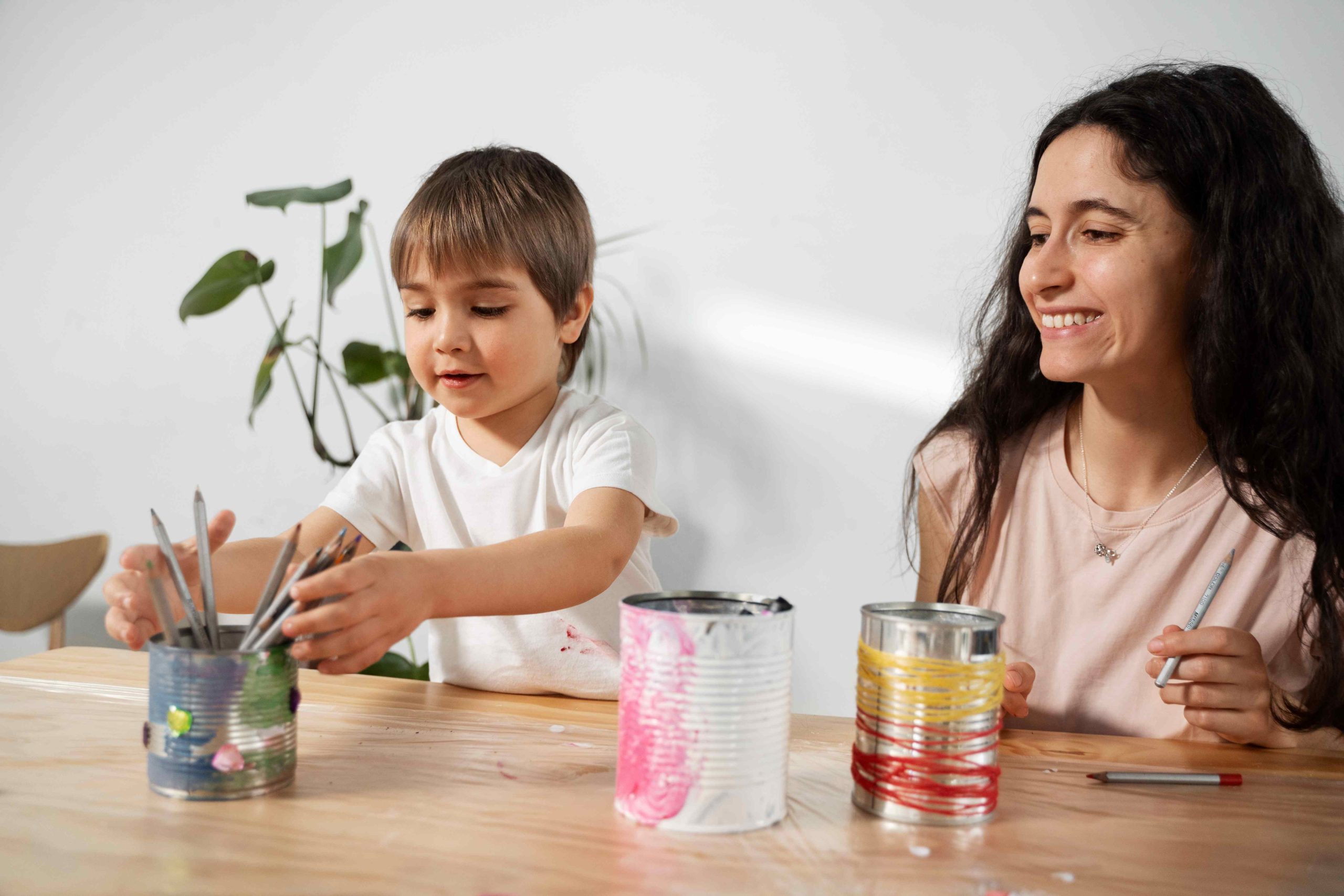
    Creative expression is a powerful way for preschoolers to explore their imaginations and develop a sense of self. Encourage them to engage in various art forms such as drawing, painting, music, or dancing. Provide them with age-appropriate tools and materials to unleash their creativity. Celebrate their unique artistic expressions and foster a love for the arts.


    Building Healthy Relationships: Nurturing Social Skills

    Preschoolers are learning how to interact with others and build relationships. Encourage positive social interactions by promoting sharing, turn-taking, and empathy. Teach preschoolers about kindness, respect, and inclusivity. Provide opportunities for them to engage in cooperative play, group activities, and community events, fostering their social skills and fostering a sense of belonging.


    Self-Care and Well-being: Modeling Healthy Habits

    As caregivers, it’s crucial to model healthy habits and self-care practices. Demonstrate the importance of self-care by prioritizing your physical, emotional, and mental well-being. Take time for relaxation, engage in hobbies, and prioritize your own needs. By modeling self-care, you show preschoolers the value of taking care of themselves and others.

    Navigating the preschooler years requires patience, understanding, and a commitment to providing a nurturing environment for their growth and development. By implementing these practical tips, caregivers and educators can support preschoolers’ cognitive, social, emotional, and physical well-being. Remember that each preschooler is unique, so adapt these tips to suit their individual needs and interests. With love, guidance, and practical strategies, we can help preschoolers thrive and lay the foundation for a bright and promising future.


    Promoting Healthy Eating Habits: Nutritious Choices for Growing Bodies

    Nutrition plays a vital role in preschoolers’ overall development and well-being. Encourage healthy eating habits by offering a variety of nutritious foods. Create balanced meals that include fruits, vegetables, whole grains, lean proteins, and dairy products. Involve preschoolers in meal planning and preparation, teaching them about the importance of making healthy food choices. Limit sugary snacks and beverages, and provide water as the primary drink option.


    Supporting Language Development: Enhancing Communication Skills

    Preschoolers are at a crucial stage of language development. Support their language skills by engaging in conversations, reading aloud, and expanding their vocabulary. Use descriptive language to help them express their thoughts and feelings. Encourage storytelling, role-playing, and imaginative play to foster their language and communication abilities. Celebrate their efforts and achievements in language development.


    Celebrating Diversity: Embracing Different Cultures and Backgrounds

    Preschoolers are naturally curious about the world around them. Encourage an appreciation for diversity by exposing them to different cultures, traditions, and languages. Incorporate multicultural books, music, and activities into their learning experiences. Teach them about the importance of respecting and embracing differences, fostering inclusivity, and celebrating the richness of diversity.


    Time Management and Prioritization: Developing Organizational Skills

    Introducing preschoolers to basic time management and organizational skills can help them develop important life skills. Teach them about prioritizing tasks, setting goals, and managing their time effectively. Create visual schedules or charts to help them understand daily routines and responsibilities. Encourage preschoolers to take ownership of their tasks and celebrate their accomplishments.


    Encouraging Outdoor Exploration: Connecting with Nature

    Spending time outdoors is essential for preschoolers’ physical and mental well-being. Provide opportunities for outdoor exploration and play. Take nature walks, visit parks, or engage in gardening activities. Encourage preschoolers to observe and appreciate the natural world, fostering a sense of curiosity, wonder, and environmental stewardship.


    Promoting Positive Body Image: Fostering Self-Acceptance

    Preschoolers are developing their self-perception, and it’s important to promote positive body image from an early age. Encourage healthy attitudes towards their bodies by emphasizing the importance of self-care, physical activity, and nutritious food choices. Avoid negative comments about body size or appearance. Teach preschoolers to appreciate their bodies for their strength and capabilities.


    Collaborative Learning: Encouraging Group Activities

    Collaborative learning experiences can enhance preschoolers’ social skills, teamwork, and problem-solving abilities. Encourage group activities such as cooperative games, group projects, or building activities. Provide opportunities for preschoolers to work together, share ideas, and learn from one another. Celebrate their collaborative efforts and highlight the value of teamwork.


    Sensory Play: Stimulating the Senses for Learning

    Sensory play experiences engage preschoolers’ senses, fostering their cognitive and emotional development. Provide opportunities for sensory exploration, such as sand and water play, playdough, or sensory bins. Engage preschoolers in activities that stimulate their senses, allowing them to explore textures, colors, smells, and sounds. This promotes their cognitive development and creativity.


    Encouraging Imaginative Play: Unleashing Creativity and Storytelling

    Imaginative play allows preschoolers to explore their creativity, problem-solving skills, and storytelling abilities. Provide open-ended materials like blocks, dolls, or costumes that inspire imaginative play. Encourage preschoolers to create stories, role-play, and engage in pretend play. This fosters their language development, cognitive abilities, and social-emotional skills.


    Reflecting on Progress: Celebrating Milestones and Achievements

    Take the time to reflect on preschoolers’ progress and celebrate their milestones and achievements. Keep a journal or record their accomplishments, whether it’s learning a new skill, overcoming a challenge, or demonstrating kindness towards others. Recognize their efforts, reinforcing their sense of pride, motivation, and self-confidence.

    By implementing these practical tips, caregivers and educators can create a nurturing and supportive environment for preschoolers to thrive. Remember that each preschooler is unique, so adapt these tips to suit their individual needs and interests. With love, patience, and practical strategies, we can empower preschoolers to reach their full potential and set the foundation for a lifetime of learning and well-being.

  • Dance Routines

    Dance Routines

    Preschooler Dance Routines: Nurturing Creativity, Confidence, and Coordination

    Dance is a beautiful and expressive art form that captivates the hearts and minds of people of all ages. For preschoolers, engaging in dance routines offers a myriad of benefits beyond just the joy of movement. Dance helps preschoolers develop their creativity, confidence, coordination, and social skills. In this article, we will explore the world of preschooler dance routines and the positive impact they have on their holistic development.


    Preschooler Dance Routines: Unleashing Creativity and Expression

    Dance is a powerful form of self-expression that allows preschoolers to explore their creativity and imagination. Through dance routines, they can communicate their thoughts, feelings, and ideas without the need for words. Whether it’s twirling, jumping, or moving gracefully, dance provides a platform for preschoolers to let their imaginations soar.

    Dance routines can take various forms, from structured ballet classes to lively and energetic hip-hop sessions. The key is to provide a nurturing environment where preschoolers feel free to express themselves through movement. Dance routines can incorporate a combination of choreographed steps, improvisation, and opportunities for individual expression.


    Developing Confidence and Self-Esteem through Dance

    Engaging in dance routines at a young age can have a profound impact on preschoolers’ confidence and self-esteem. As they learn and master new dance steps, preschoolers experience a sense of accomplishment and pride in their abilities. The supportive and encouraging atmosphere of dance classes helps them build confidence in their bodies and their own unique abilities.

    Dance routines also provide opportunities for preschoolers to perform in front of others, whether it’s in a recital, a school assembly, or a community event. These experiences help preschoolers overcome stage fright, develop resilience, and build self-assurance. The applause and recognition they receive for their efforts further boost their self-esteem and belief in themselves.


    Enhancing Coordination, Balance, and Motor Skills

    Dance routines require precision and coordination, helping preschoolers refine their motor skills and physical coordination. Through dance, they learn to control their movements, improve their balance, and develop fine and gross motor skills. As they practice dance routines, preschoolers become more aware of their bodies and their capabilities.

    Dance involves a combination of movements that engage various muscle groups, promoting overall physical fitness. From stretching and bending to leaping and spinning, dance routines provide a fun and engaging way for preschoolers to stay active and develop their physical abilities. The repetitive nature of practicing dance steps also helps improve muscle memory and coordination.


    Fostering Social Skills and Teamwork

    Participating in dance routines offers preschoolers opportunities to develop their social skills and learn the value of teamwork. In dance classes or group performances, preschoolers interact with their peers, collaborate, and learn to work together towards a common goal. They learn to respect and support one another, fostering a sense of camaraderie and friendship.

    Dance routines often involve partner work or group formations, encouraging preschoolers to communicate, cooperate, and synchronize their movements. Through these interactions, they learn the importance of listening, following instructions, and adapting to different roles within the dance routine. These social skills are transferable to various aspects of their lives, from school to future endeavors.


    Cultivating Discipline and Focus

    Engaging in dance routines requires discipline, focus, and perseverance. Preschoolers learn to follow instructions, pay attention to details, and practice consistently to improve their skills. Dance classes teach them the importance of commitment, dedication, and the value of hard work. This cultivates a sense of discipline that extends beyond the dance studio.

    As preschoolers strive to perfect their dance routines, they develop patience and resilience. They learn to overcome challenges and setbacks, understanding that progress comes with effort and perseverance. These valuable life skills carry over to other areas of their lives, such as academics, sports, and personal goals.


    Nurturing Emotional Expression and Well-being

    Dance routines provide a safe and expressive outlet for preschoolers to channel their emotions. Through dance, they can express joy, excitement, sadness, or any other emotions they may be experiencing. Dancing allows them to release pent-up energy and reduce stress, promoting emotional well-being.

    The rhythmic movements and music of dance routines also have a positive impact on preschoolers’ emotional state. Dance has been shown to boost mood, increase endorphin levels, and reduce anxiety and depression. The creative expression and freedom of movement in dance help preschoolers develop a positive relationship with their bodies and emotions.

    Preschooler dance routines offer a wealth of benefits for their overall development and well-being. From enhancing creativity and confidence to fostering coordination, social skills, and emotional expression, dance is a powerful tool for preschoolers’ growth. Engaging in dance routines allows them to explore their imagination, develop physical abilities, and cultivate important life skills. Let us celebrate the joy and transformative power of dance in the lives of preschoolers as they continue to express themselves and dance their way through life.


    Encouraging Cultural Appreciation and Diversity

    Dance routines provide an opportunity for preschoolers to learn about different cultures and traditions. Many dance styles have cultural origins, such as ballet, flamenco, or traditional folk dances. By exposing preschoolers to a variety of dance routines, we can foster an appreciation for diverse cultures and encourage them to embrace the beauty of different traditions.

    Through dance, preschoolers can learn about different music styles, costumes, and storytelling techniques associated with various cultural dances. This exposure helps them develop cultural sensitivity, empathy, and respect for people from different backgrounds. It broadens their horizons and nurtures a sense of global citizenship from a young age.


    Sparking Imagination and Storytelling

    Preschooler dance routines often incorporate elements of storytelling. Whether it’s portraying characters, animals, or events through movement, dance provides a platform for preschoolers to unleash their imagination and engage in creative storytelling. They can create their narratives, invent characters, and express emotions through their dance movements.

    Engaging in dance routines that tell stories enhances preschoolers’ language development and cognitive abilities. It allows them to practice sequencing events, understanding cause and effect, and interpreting narratives through movement. This integration of dance and storytelling stimulates their creativity, critical thinking, and communication skills.


    Fostering Body Awareness and Spatial Skills

    Dance routines require preschoolers to be aware of their bodies and how they move through space. They learn to understand the boundaries of their physical presence, spatial relationships, and their position in relation to others. This development of body awareness and spatial skills has far-reaching benefits beyond the dance floor.

    By honing their spatial awareness, preschoolers improve their coordination and fine-tune their motor skills. This awareness carries over into everyday activities, such as navigating crowded spaces, playing sports, or engaging in other physical tasks. It also supports their cognitive development, as spatial skills are linked to mathematical thinking and problem-solving abilities.


    Promoting Brain Development and Cognitive Skills

    Engaging in dance routines stimulates preschoolers’ brain development and enhances their cognitive skills. Dance involves integrating movement, music, rhythm, and memory, activating various parts of the brain simultaneously. This multi-sensory experience strengthens neural connections and promotes cognitive flexibility.

    As preschoolers memorize dance steps, follow choreography, and synchronize their movements, they improve their memory and attention span. Dance routines also encourage pattern recognition, sequencing, and spatial reasoning, all of which contribute to cognitive development. Additionally, the music used in dance routines stimulates auditory processing and language development.


    Encouraging Healthy Physical Activity and Fitness

    Preschooler dance routines provide a fun and engaging way for children to engage in regular physical activity and promote overall fitness. Dance routines offer cardiovascular exercise, improve endurance, and strengthen muscles. By incorporating a range of movements, such as jumping, stretching, and balancing, dance routines enhance flexibility, coordination, and strength.

    Unlike structured exercise programs, dance routines allow preschoolers to enjoy physical activity through artistic expression and creativity. The joy and enthusiasm that come with dancing motivate preschoolers to move their bodies, promoting a healthy lifestyle from an early age. Dance routines also provide a non-competitive environment, encouraging children of all abilities to participate and enjoy the benefits of physical activity.


    Building Lifelong Appreciation for the Arts

    Engaging in preschooler dance routines introduces children to the world of performing arts, fostering a lifelong appreciation for artistic expression. Through dance, preschoolers learn to appreciate different forms of art, including music, costumes, and stage design. They develop an understanding of the collaborative nature of the arts and the effort that goes into creating a performance.

    Preschoolers who participate in dance routines are more likely to become active participants in the arts as they grow older. They may continue their dance training, explore other dance styles, or become involved in other performing arts disciplines. This early exposure to the arts cultivates a love for creativity, self-expression, and cultural enrichment.


    Creating Lasting Memories and Friendships

    Engaging in preschooler dance routines creates lasting memories and fosters friendships. Dance classes and group performances provide opportunities for preschoolers to connect with their peers who share a similar interest in dance. They develop bonds through collaboration, mutual support, and the shared joy of dancing together.

    The experience of working towards a common goal, such as a recital or performance, fosters a sense of teamwork and camaraderie among preschoolers. They learn to trust and rely on one another, building friendships that can extend beyond the dance studio. These friendships offer support, encouragement, and the opportunity to create cherished memories together.

    Preschooler dance routines offer a multitude of benefits for their holistic development. From fostering creativity and self-expression to building confidence, coordination, and social skills, dance provides a powerful avenue for preschoolers to explore their potential. Through dance, preschoolers develop physical fitness, cognitive abilities, cultural appreciation, and a lifelong love for the arts.

    As caregivers, educators, and supporters, we have the opportunity to provide preschoolers with the chance to engage in dance routines and reap the myriad benefits they offer. By encouraging and nurturing their passion for dance, we empower them to discover their unique abilities, express themselves authentically, and embark on a journey of growth and self-discovery.

    Let us celebrate the joy of movement, rhythm, and expression that dance brings to the lives of preschoolers. With each step, twirl, and leap, they embrace their creativity, build confidence, and unlock their full potential. Dance has the power to transform preschoolers into confident, expressive, and well-rounded individuals, shaping their lives in ways that will continue to resonate throughout their lifetime.


    Inspiring Discipline and Dedication

    Engaging in preschooler dance routines instills discipline and dedication in young children. Dance requires regular practice and commitment to improve and refine skills. By attending dance classes and participating in rehearsals, preschoolers learn the value of discipline and the importance of dedicating time and effort to achieve their goals.

    Through dance routines, preschoolers understand that progress comes with consistent practice and perseverance. They learn to set goals for themselves and work diligently towards achieving them. This discipline extends beyond the dance studio and can positively influence their approach to other areas of life, such as academics or personal endeavors.


    Boosting Confidence and Performance Skills

    Participating in dance routines boosts preschoolers’ confidence and performance skills. As they learn and master dance steps, they gain confidence in their abilities and become more comfortable expressing themselves through movement. This newfound confidence translates into other areas of their lives, allowing them to tackle challenges with self-assurance.

    Dance routines often involve performing in front of an audience, whether it’s during a recital or a community event. These performance opportunities help preschoolers overcome stage fright and develop essential presentation skills. They learn to project their presence, maintain composure, and captivate an audience, all of which are valuable skills for future public speaking or performance engagements.


    Encouraging Expressive Communication

    Dance routines serve as a means of expressive communication for preschoolers who may find it challenging to express themselves verbally. Through dance, they can convey their emotions, thoughts, and stories, allowing them to communicate and connect with others on a deeper level. This form of nonverbal communication nurtures their emotional intelligence and empathy.

    Dance routines also enable preschoolers to explore different emotions and express them through movement. They can embody joy, sadness, excitement, or any other feelings, expanding their emotional range and developing a better understanding of their own emotions. This emotional expression and awareness contribute to their overall well-being and interpersonal skills.


    Cultivating a Positive Body Image

    Preschooler dance routines can play a vital role in cultivating a positive body image. Dance celebrates bodies of all shapes, sizes, and abilities, promoting inclusivity and acceptance. By engaging in dance, preschoolers develop a healthy relationship with their bodies and appreciate their unique physical attributes.

    Dance routines focus on what preschoolers’ bodies can do rather than on appearance. They learn to appreciate the strength, flexibility, and grace of their bodies as they execute dance movements. This positive body image mindset can contribute to a healthy self-esteem and body confidence that extends beyond the dance studio.


    Supporting Cognitive Development

    Engaging in dance routines supports preschoolers’ cognitive development in various ways. Dance requires preschoolers to memorize sequences of movements, follow instructions, and anticipate rhythm and timing. These mental processes enhance their memory, attention span, and cognitive flexibility.

    Furthermore, dance routines stimulate both the left and right hemispheres of the brain, promoting integration and synchronization of cognitive functions. This multidimensional mental engagement enhances their cognitive skills, such as problem-solving, critical thinking, and creativity.

  • Community Events

    Community Events

    Preschooler Community Events: Fostering Growth, Learning, and Fun!


    Preschooler community events serve as invaluable opportunities for young children to engage, learn, and grow in a supportive and interactive environment. These events not only provide a platform for preschoolers to develop essential social and cognitive skills but also create a sense of belonging within the community. From educational workshops and cultural festivals to recreational activities and charity drives, the diverse range of preschooler community events caters to the unique needs and interests of these young individuals. In this article, we explore the significance of preschooler community events and highlight a few captivating examples that exemplify their importance in fostering holistic development.


    Preschooler Community Events: Nurturing Young Minds

    Preschooler community events play a vital role in nurturing the minds of these young learners. They serve as a gateway for preschoolers to explore and discover their interests, talents, and passions. By providing a platform for active participation, these events encourage preschoolers to develop their cognitive, physical, and social abilities in a lively and engaging manner.


    Engaging Educational Workshops: Building Foundations

    Educational workshops tailored for preschoolers are an integral part of community events. These workshops offer a plethora of stimulating activities and hands-on experiences that aid in building a strong foundation for future learning. From interactive storytelling sessions that ignite imagination to science experiments that foster curiosity, these workshops are designed to enhance critical thinking, problem-solving skills, and creativity in preschoolers.

    For instance, the “Little Explorers” workshop held annually at the Town Library engages preschoolers in a series of captivating science experiments, where they explore concepts like gravity, magnetism, and light. Through these hands-on activities, preschoolers not only develop an early interest in science but also enhance their motor skills and learn to collaborate with their peers.


    Cultural Festivals: Celebrating Diversity and Inclusion

    Preschooler community events often feature cultural festivals that celebrate diversity and promote inclusivity. These festivals provide a wonderful opportunity for preschoolers to learn about different cultures, traditions, and values from around the world. Through interactive performances, art displays, and traditional food tasting, preschoolers gain a deeper appreciation for the multicultural fabric of their community.

    The “Global Village” festival, organized annually by the Community Centre, showcases the rich tapestry of cultures within the community. Preschoolers participate in lively dance performances, create crafts inspired by different countries, and taste traditional cuisines. By immersing themselves in these cultural experiences, preschoolers develop an understanding and respect for different perspectives, fostering empathy and promoting a sense of global citizenship.


    Recreational Activities: Learning Through Play

    Play is an integral part of a preschooler’s development, and community events provide ample opportunities for them to engage in structured and unstructured play. Recreational activities such as outdoor games, sports competitions, and art sessions not only promote physical well-being but also enhance cognitive and social skills in preschoolers.

    The “Play Day” event organized by the Recreation Centre brings preschoolers together for a day of fun-filled activities. From sack races and relay games to face painting and balloon sculpting, preschoolers revel in the joy of play. Through these activities, they learn important life skills such as teamwork, sportsmanship, and problem-solving, all while fostering friendships and building a strong sense of community.


    Charity Drives: Instilling Empathy and Kindness

    Preschooler community events also provide an opportunity to instill essential values such as empathy, kindness, and compassion. Charity drives and fundraisers aimed specifically at preschoolers allow them to actively participate in giving back to their community and making a positive impact on the lives of others.

    The “Preschooler Philanthropists” campaign, conducted annually by the local charity organization, engages preschoolers in various fundraising activities. Whether it’s a bake sale, toy drive, or clothing donation, preschoolers actively contribute to the cause, nurturing a sense of empathy and reinforcing the importance of helping others. These experiences instill lifelong values and empower preschoolers to become responsible and caring individuals.

    Preschooler community events are invaluable in fostering holistic development in young learners. By offering engaging educational workshops, cultural festivals, recreational activities, and charity drives, these events cater to the unique needs and interests of preschoolers. They provide a platform for preschoolers to explore their talents, develop essential skills, celebrate diversity, and contribute to their community. By actively participating in these events, preschoolers not only grow intellectually and socially but also develop a strong sense of belonging and an understanding of their roles as active community members. Preschooler community events lay the foundation for lifelong learning, instilling essential values and nurturing the potential of every young individual.


    Creating Lasting Memories: Building Social Bonds

    One of the key benefits of preschooler community events is the opportunity they provide for building social bonds and creating lasting memories. These events bring together preschoolers from different backgrounds and provide a platform for them to interact, make friends, and develop social skills in a supportive and inclusive environment.

    Activities such as team-building games, group projects, and collaborative performances promote cooperation, communication, and empathy among preschoolers. They learn the importance of listening to others, respecting different opinions, and working together towards a common goal.

    The “Friendship Fiesta” organized by the local community center is a perfect example of an event that emphasizes social interaction and relationship building. Preschoolers participate in various ice-breaking games, arts and crafts sessions, and team challenges that encourage them to connect with their peers. These experiences not only create joyful memories but also lay the foundation for positive social interactions in their future endeavors.


    Parent-Child Engagement: Strengthening Family Bonds

    Preschooler community events often provide opportunities for parent-child engagement, strengthening family bonds and fostering a sense of shared experiences. These events recognize the crucial role that parents play in a child’s development and provide platforms for them to actively participate alongside their preschoolers.

    Interactive workshops that involve parents, such as cooking classes, gardening sessions, or art workshops, allow them to engage with their children in a meaningful and enjoyable way. These experiences not only strengthen the parent-child bond but also provide valuable opportunities for parents to support their preschoolers’ learning and growth.

    The “Family Fun Day” event held annually at the local park brings parents and preschoolers together for a day of interactive games, picnics, and workshops. Families engage in activities such as kite flying, face painting, and storytelling sessions, creating cherished memories and deepening their connections. These events remind parents of the importance of quality time spent with their preschoolers and encourage them to actively participate in their child’s development.


    Community Collaboration: Fostering a Sense of Belonging

    Preschooler community events serve as a powerful catalyst for community collaboration and foster a sense of belonging among preschoolers and their families. When community members, local businesses, schools, and organizations come together to organize these events, it creates a shared sense of purpose and collective responsibility towards the well-being of preschoolers.

    Local businesses often sponsor community events, providing resources, venues, or financial support. This collaboration not only strengthens community ties but also demonstrates the commitment of local businesses towards nurturing the development of preschoolers.

    The “Community Carnival” organized in collaboration with local businesses and organizations exemplifies the spirit of community involvement. Preschoolers and their families enjoy a wide range of activities, including carnival games, face painting, and live performances. The active participation of community members creates a vibrant and inclusive atmosphere, reinforcing the sense of belonging among preschoolers.

    Through community collaboration, these events also promote the exchange of ideas, expertise, and resources, resulting in a more enriching and diverse experience for preschoolers. They serve as a reminder that raising preschoolers is a collective effort, and the entire community plays a role in their growth and development.


    Enhancing Well-being: Emphasizing Physical and Mental Health

    Preschooler community events often emphasize the importance of physical and mental well-being. Activities promoting healthy lifestyles, mindfulness, and self-care introduce preschoolers to the concept of maintaining a balanced and nourishing life.

    Fitness workshops, yoga sessions, or outdoor adventures encourage preschoolers to stay active and develop healthy habits from an early age. These activities not only promote physical health but also contribute to their overall cognitive and emotional well-being.

    The “Healthy Habits Fair” held in partnership with local health organizations focuses on educating preschoolers about nutritious food choices, personal hygiene, and the importance of physical activity. Through interactive games, demonstrations, and informative sessions, preschoolers gain a deeper understanding of how to take care of their bodies and minds.

    Furthermore, mental health workshops for preschoolers and their parents offer strategies to manage stress, build resilience, and cultivate emotional well-being. These workshops provide a safe space for discussions and offer tools and techniques that preschoolers can use to navigate their emotions and build healthy relationships.

    By emphasizing physical and mental well-being, preschooler community events contribute to the development of resilient and empowered individuals who are equipped to face the challenges of the future.

    Preschooler community events go beyond mere entertainment. They provide a nurturing environment for preschoolers to learn, grow, and develop essential skills. Through engaging educational workshops, cultural festivals, recreational activities, and charity drives, these events cater to the unique needs and interests of preschoolers. They foster holistic development by promoting cognitive, social, emotional, and physical well-being.

    Moreover, preschooler community events facilitate social bonds, strengthen family connections, foster a sense of belonging, and encourage community collaboration. They create lasting memories, promote parent-child engagement, and instill valuable life lessons in preschoolers. These events also highlight the importance of physical and mental well-being, emphasizing healthy habits and nurturing resilience in preschoolers.

    Preschooler community events are an essential cornerstone in the growth and development of young individuals. By providing enriching experiences, fostering connections, and instilling lifelong values, these events set the stage for a promising future for preschoolers and contribute to building a strong and vibrant community.


    Empowering Young Leaders: Developing Confidence and Skills

    Preschooler community events provide a platform for young leaders to emerge and develop essential skills such as communication, problem-solving, and decision-making. Through roles as event volunteers, emcees, or performers, preschoolers gain confidence and learn to express themselves in front of an audience.

    The opportunity to take on leadership roles in community events nurtures a sense of responsibility and empowers preschoolers to contribute their ideas and talents. They learn to work as part of a team, make decisions, and take ownership of their contributions, fostering a sense of agency and self-assurance.

    For example, the “Young Voices” talent show organized by the local community center allows preschoolers to showcase their unique talents and skills on stage. Whether it’s singing, dancing, or storytelling, participating in such events enables preschoolers to overcome stage fright, develop self-confidence, and cultivate a sense of pride in their abilities.


    Cultivating Creativity: Encouraging Imagination and Innovation

    Preschooler community events provide a fertile ground for fostering creativity and encouraging imagination in young minds. Through art workshops, craft stations, and creative competitions, preschoolers are inspired to think outside the box, explore their artistic abilities, and unleash their imagination.

    Activities such as painting, sculpture-making, and storytelling allow preschoolers to express themselves artistically, develop fine motor skills, and enhance their cognitive abilities. The freedom to create and experiment boosts their confidence, problem-solving skills, and innovation.

    The “Imagination Station” at the annual community fair is a popular attraction that offers various artistic activities for preschoolers. From creating personalized masterpieces to participating in collaborative art projects, preschoolers have the opportunity to unleash their creativity and immerse themselves in a world of imagination and self-expression.

    By providing a nurturing environment that celebrates creativity, preschooler community events foster a love for the arts and encourage preschoolers to think creatively in all aspects of their lives.


    Promoting Lifelong Learning: Instilling a Curious Mindset

    Preschooler community events instill a curious mindset in young learners, promoting a lifelong love for learning. By exposing preschoolers to diverse experiences, new ideas, and hands-on activities, these events ignite their curiosity and encourage them to explore the world around them.

    Science fairs, technology exhibitions, and interactive workshops provide preschoolers with opportunities to engage in inquiry-based learning and discover the wonders of the world. From exploring the solar system to conducting simple experiments, preschoolers develop a thirst for knowledge and develop a scientific mindset.

    The “Curiosity Corner” at the annual science fair invites preschoolers to engage in interactive exhibits, where they can explore scientific concepts through play and experimentation. These hands-on experiences foster critical thinking, problem-solving skills, and a sense of wonder, inspiring preschoolers to become lifelong learners.

    By nurturing a love for learning from a young age, preschooler community events lay the foundation for a future generation that is curious, innovative, and eager to explore the world.


    Embracing Diversity: Celebrating Individuality and Differences

    Preschooler community events play a crucial role in promoting diversity and inclusivity. They celebrate the unique qualities and backgrounds of each preschooler, fostering a sense of acceptance and respect for individuality.

    Through cultural festivals, storytelling sessions, and interactive experiences, preschoolers are exposed to different perspectives, traditions, and values. They learn to appreciate and embrace diversity, cultivating empathy and understanding.

    The “My Heritage, My Pride” event invites preschoolers and their families to share their cultural heritage through food, costumes, and storytelling. By actively participating in these events, preschoolers develop a sense of pride in their own backgrounds and gain an understanding of the importance of inclusivity in a diverse society.

    By embracing diversity, preschooler community events promote a harmonious and inclusive community where every preschooler feels valued and respected for who they are.

    Preschooler community events are transformative experiences that nurture young minds, foster social bonds, empower young leaders, and celebrate diversity. These events provide a platform for preschoolers to develop essential skills, unleash their creativity, cultivate a love for learning, and embrace their unique identities.

    Through educational workshops, cultural festivals, recreational activities, and charity drives, preschoolers engage in meaningful experiences that shape their cognitive, social, emotional, and physical development. Parent-child engagement strengthens family bonds, community collaboration fosters a sense of belonging, and leadership opportunities empower preschoolers to become confident and responsible individuals.

    Preschooler community events create a vibrant tapestry of shared experiences, memories, and lifelong values. They lay the foundation for a future generation that is inclusive, innovative, and empathetic. By nurturing the potential of every preschooler, these events contribute to building a thriving community where young minds flourish and the collective well-being is prioritized.

  • History

    History

    Unveiling the Rich Tapestry of Preschooler History: Discovering the Roots of Early Childhood Education

    The history of preschool education is a captivating journey that unveils the roots of early childhood education practices. Delving into the origins, milestones, and transformative movements in preschool education allows us to appreciate the progress made and the ongoing quest to provide enriching experiences for preschoolers. This article explores the fascinating history of preschool education, highlighting key periods and influential figures who have shaped the field.


    I. The Origins of Preschool Education: Nurturing Young Minds

    The origins of preschool education can be traced back to ancient civilizations, where informal forms of early childhood education existed. In Ancient Greece and Rome, young children were educated in the home, learning basic skills and values from their parents and caregivers. The concept of providing structured learning experiences specifically for preschoolers emerged during the Renaissance period.


    II. Froebel and the Birth of Kindergarten: A Revolutionary Approach

    Friedrich Froebel, a German educator, is hailed as the father of the kindergarten movement. In the early 19th century, Froebel established the first kindergarten, which translates to “children’s garden.” He recognized the importance of play, creativity, and self-expression in early childhood development. Froebel’s emphasis on nurturing the whole child through purposeful play and hands-on activities revolutionized early childhood education.


    III. Montessori and the Child-Centered Approach: Unleashing Potential

    Maria Montessori, an Italian physician and educator, made significant contributions to preschool education in the early 20th century. Montessori’s approach emphasized independence, self-directed learning, and respect for the individuality of each child. Her method introduced specially designed materials and a prepared environment that fostered exploration, order, and concentration. Montessori’s influence spread worldwide, shaping the way preschoolers were educated.


    IV. The Reggio Emilia Approach: Valuing Relationships and Community

    The Reggio Emilia approach, developed in post-World War II Italy, emphasizes the importance of collaboration, creativity, and the role of the community in preschool education. This approach views preschoolers as active participants in their learning journey, valuing their ideas, interests, and contributions. The Reggio Emilia approach recognizes the power of the environment and the role of documentation in capturing and celebrating children’s learning experiences.


    V. Historical Milestones: Shaping Early Childhood Education

    Throughout history, several milestones have shaped the landscape of preschool education. These include the establishment of public kindergartens, the influence of educational philosophers like Jean Piaget and Lev Vygotsky, and the recognition of the importance of early childhood education by policymakers and researchers. These milestones have contributed to the growth and development of preschool education as a recognized field of study.


    VI. Evolution of Pedagogical Approaches: Embracing Diversity and Inclusion

    Preschool education has evolved to embrace diverse pedagogical approaches that cater to the unique needs and backgrounds of preschoolers. Inclusive practices have gained prominence, ensuring that children of all abilities and backgrounds can participate fully in early childhood education. The emergence of play-based learning, project-based learning, and emergent curriculum has further enriched the preschool experience, fostering holistic development.


    VII. The Role of Early Childhood Educators: Shaping the Future

    The history of preschool education highlights the indispensable role of early childhood educators in shaping the future of preschoolers. Educators play a crucial role in creating nurturing environments, facilitating meaningful experiences, and supporting the social-emotional development of preschoolers. Their dedication and expertise have a profound impact on the lives of preschoolers and lay the foundation for their lifelong learning journey.


    VIII. Looking Ahead: Nurturing Preschoolers in the Modern Era

    As we reflect on the rich history of preschool education, we must also consider the challenges and opportunities in the modern era. Technological advancements, changing family dynamics, and the need for global citizenship call for innovative approaches to preschool education. Nurturing preschoolers in the digital age requires a balance between incorporating technology and preserving the essence of play, hands-on exploration, and human connection.

    The history of preschool education is a testament to the unwavering commitment to the holistic development of preschoolers. From the origins of informal education to the revolutionary approaches of Froebel, Montessori, and the Reggio Emilia approach, the field of preschool education has witnessed remarkable transformations. As we navigate the future, let us draw inspiration from the past, embracing the diversity of pedagogical approaches and celebrating the invaluable role of early childhood educators. Together, we can continue to create nurturing environments that empower preschoolers to embark on a lifelong journey of learning, discovery, and growth.


    IX. Contemporary Issues in Preschooler Education: Addressing Challenges and Promoting Equity

    While the history of preschool education showcases significant progress, there are still contemporary issues that need to be addressed to ensure equity and quality in early childhood education.

  • Access and Affordability: Bridging the Gap

    One pressing issue is the lack of access and affordability of preschool education for all preschoolers. Socioeconomic disparities often hinder certain groups from accessing high-quality early childhood programs. Efforts should be made to provide equitable access to preschool education, regardless of socioeconomic status, to ensure that all preschoolers have an equal opportunity to thrive.

  • Inclusion and Diversity: Embracing Every Child

    Promoting inclusive practices in preschool education is essential to cater to the diverse needs of all preschoolers. This includes providing support for children with disabilities, accommodating linguistic and cultural diversity, and ensuring that preschool environments are welcoming and respectful of every child’s unique identity.

  • Professional Development: Empowering Educators

    Investing in ongoing professional development for preschool educators is vital for maintaining high-quality practices. Educators need access to training, resources, and support to stay updated with the latest research and best practices in early childhood education. By empowering educators, we empower preschoolers to reach their full potential.

  • Play-Based Learning: Preserving the Power of Play

    In the era of increased academic pressure, preserving the importance of play-based learning is crucial. Play is the natural way preschoolers learn, explore, and make sense of the world. Balancing play and academic goals is essential to ensure that preschoolers develop a love for learning while fostering their social-emotional, cognitive, and physical development.

  • Parental Engagement: Building Strong Partnerships

    Collaboration between educators and parents is critical in supporting preschoolers’ development. Establishing strong partnerships with parents through open communication, involvement in decision-making, and providing resources and guidance empowers families to be active participants in their child’s education. Parental engagement positively impacts preschoolers’ outcomes and creates a cohesive learning environment.


    X. The Future of Preschooler Education: Envisioning Possibilities

    Looking ahead, there are exciting possibilities for the future of preschool education. With advancements in technology, evolving understandings of child development, and a growing emphasis on global citizenship, the field is poised for innovation and transformation.

  • Technology Integration: Enhancing Learning Experiences

    Integrating technology thoughtfully can enhance preschoolers’ learning experiences. From educational apps to interactive digital tools, technology can provide new avenues for exploration, creativity, and collaboration. However, it is crucial to maintain a balance, ensuring that technology serves as a tool for learning and does not replace the valuable hands-on experiences and social interactions that are essential for preschoolers’ development.

  • Outdoor Learning and Environmental Stewardship: Connecting with Nature

    Recognizing the importance of nature in children’s lives, there is a growing emphasis on outdoor learning and environmental stewardship in preschool education. Engaging preschoolers in nature-based activities, gardening, and environmental projects fosters a sense of connection with the natural world, promotes environmental awareness, and enhances overall well-being.

  • Social-Emotional Learning: Fostering Resilience and Empathy

    As research highlights the critical role of social-emotional skills in lifelong success, the future of preschool education will continue to prioritize social-emotional learning. Emphasizing empathy, resilience, emotional regulation, and positive relationships will equip preschoolers with essential skills to navigate challenges and thrive in an ever-changing world.

  • Global Citizenship Education: Nurturing Global Awareness

    With increasing interconnectedness, preschool education can play a pivotal role in nurturing global awareness and fostering a sense of global citizenship. Through multicultural education, global partnerships, and virtual exchanges, preschoolers can develop an appreciation for diverse cultures, perspectives, and sustainable practices, preparing them to become active global citizens.

    The history of preschool education has paved the way for remarkable progress, but the journey towards equity and quality in early childhood education continues. By addressing contemporary challenges, promoting inclusive practices, investing in professional development, preserving play-based learning, and strengthening partnerships with families, we can create a future where every preschooler has access to high-quality education and the opportunity to thrive. As we envision the possibilities, let us remain committed to the transformative power of preschool education in shaping a brighter and more equitable future for all preschoolers.


    XI. Research and Evidence-Based Practices: Informing Preschooler Education

    To ensure effective and evidence-based practices in preschooler education, it is essential to rely on research and incorporate findings into pedagogical approaches. Ongoing research contributes to the understanding of child development, informs instructional strategies, and guides policy decisions.

  • Neuroscience and Early Brain Development: Shaping Practices

    Advancements in neuroscience have shed light on the critical period of early brain development and the importance of enriched experiences during the preschool years. Understanding how the brain develops and functions informs the design of learning environments and curriculum that promote optimal cognitive, social, and emotional growth.

  • Longitudinal Studies: Tracking Preschooler Outcomes

    Long-term studies that follow preschoolers over time provide valuable insights into the impact of early childhood education on future outcomes. These studies help identify the benefits of high-quality preschool experiences in areas such as academic achievement, social skills, and lifelong well-being. Findings from longitudinal studies can guide the development of effective interventions and inform policy decisions.

  • Play-Based Learning Research: Supporting Holistic Development

    Research consistently supports the value of play-based learning in promoting preschoolers’ holistic development. Studies show that play enhances creativity, problem-solving skills, social interactions, and self-regulation. Understanding the importance of play in various domains of development guides educators in designing engaging and developmentally appropriate learning experiences.

  • Social-Emotional Development: Building Resilience and Well-being

    Research on social-emotional development highlights the significance of nurturing emotional competence, self-regulation, and positive relationships in preschoolers. Evidence-based practices such as promoting emotional literacy, teaching conflict resolution skills, and fostering a supportive classroom climate contribute to the development of resilient and emotionally well-adjusted preschoolers.

  • Cultural Responsiveness: Valuing Diversity and Inclusion

    Research emphasizing the importance of cultural responsiveness in early childhood education highlights the need to acknowledge and respect diverse backgrounds, languages, and cultural practices. Studies inform strategies for supporting children from different cultural backgrounds, promoting bilingualism, and creating inclusive environments that celebrate diversity.


    XII. Collaborative Partnerships: The Key to Success

    Preschooler education cannot be achieved in isolation. Collaborative partnerships among educators, researchers, policymakers, families, and the wider community are crucial for the success of preschool education initiatives.

  • Educator-Researcher Collaboration: Bridging the Gap

    Close collaboration between educators and researchers fosters a reciprocal relationship where research findings inform practice, and educators provide insights and experiences that contribute to research. By bridging the gap between theory and practice, educators and researchers can collectively improve preschooler education and contribute to the advancement of the field.

  • Policy-Practice Alignment: Guiding Effective Implementation

    Effective policies that support high-quality preschool education are essential for creating positive outcomes for preschoolers. Collaboration between policymakers and practitioners ensures that policies are informed by research and grounded in the realities of early childhood classrooms. Engaging educators in policy discussions and decision-making processes leads to more effective implementation and positive impacts on preschooler education.

  • Family and Community Engagement: Strengthening Partnerships

    Collaborative partnerships with families and the wider community play a vital role in supporting preschooler education. Engaging families in the educational journey, providing resources, and involving them in decision-making processes enhances the home-school connection. Building community partnerships with local organizations and resources expands the learning opportunities available to preschoolers.

  • Interdisciplinary Collaboration: Holistic Approaches

    Preschooler education benefits from interdisciplinary collaboration, where professionals from different fields, such as psychology, healthcare, and social work, come together to support the holistic development of preschoolers. Integrating different perspectives and expertise contributes to a comprehensive and multidimensional approach to preschooler education.

    Incorporating research findings and fostering collaborative partnerships are crucial for informed and effective preschooler education. By staying informed about the latest research, adapting practices based on evidence, and engaging in partnerships with diverse stakeholders, we can continue to enhance the quality and impact of preschooler education. Together, educators, researchers, policymakers, families, and communities can create an environment where every preschooler receives the education and support they deserve, setting them on a path towards lifelong success and well-being.

  • Engineering

    Engineering

    Preschooler Engineering: Nurturing Curiosity and Creativity in Early Childhood Education

    In the realm of early childhood education, fostering curiosity, imagination, and problem-solving skills is of paramount importance. Preschoolers, with their innate sense of wonder and boundless enthusiasm, possess incredible potential to explore the world around them. Introducing engineering concepts at a young age not only ignites their passion for learning but also lays the foundation for future success in STEM fields. This article delves into the fascinating world of preschooler engineering, highlighting its significance and exploring various aspects of this emerging educational approach.


    The Power of Playful Learning

    Preschooler engineering harnesses the power of play to engage and educate young minds. At this tender age, children have an incredible capacity to absorb knowledge through hands-on experiences. By incorporating engineering principles into play-based activities, educators can create meaningful learning opportunities that captivate and inspire preschoolers.

    Play is the language of preschoolers, enabling them to make sense of the world. Through imaginative play, building blocks, and construction toys, children can explore foundational engineering concepts such as structure, balance, and stability. Simple tasks like building a tower or designing a bridge allow preschoolers to experiment, observe cause and effect relationships, and develop critical thinking skills.

    Educators can facilitate the learning process by providing open-ended materials and posing thought-provoking questions. Encouraging preschoolers to think critically about their designs, make predictions, and reflect on their experiences enhances their problem-solving abilities. By embracing a playful learning approach, preschooler engineering fosters an environment where creativity flourishes and innovation takes root.


    Nurturing a Growth Mindset

    Preschooler engineering nurtures a growth mindset, emphasizing the importance of perseverance, resilience, and embracing challenges. By encouraging preschoolers to explore, take risks, and learn from failures, educators cultivate a mindset that believes in the power of effort and continuous improvement.

    Engaging in engineering activities allows preschoolers to experience firsthand the iterative nature of the design process. As they encounter obstacles and setbacks, they learn to adapt, modify, and refine their ideas. This iterative approach promotes problem-solving skills and instills in preschoolers the belief that failure is not a roadblock but an opportunity for growth.

    Through scaffolding techniques, educators guide preschoolers to think critically about their failures and brainstorm alternative solutions. By praising effort, strategy, and persistence rather than solely focusing on outcomes, educators help preschoolers build resilience and develop a positive attitude towards challenges. This mindset empowers preschoolers to embrace setbacks as stepping stones towards success, preparing them for the complexities of the future.


    Real-World Applications

    Preschooler engineering introduces young minds to the real-world applications of engineering concepts, bridging the gap between theory and practice. By making connections between engineering and everyday life, educators inspire preschoolers to view the world through an engineering lens.

    Preschoolers can explore the engineering principles behind everyday objects and structures. For instance, they can examine the stability of different chair designs or investigate the properties of materials used in toy manufacturing. By engaging in hands-on activities that replicate real-world scenarios, preschoolers gain a deeper understanding of how engineering impacts their lives.

    Furthermore, preschooler engineering provides a platform for interdisciplinary learning. By integrating science, technology, engineering, and mathematics (STEM), preschoolers develop a holistic understanding of the interconnectedness of these subjects. Through collaborative projects and open-ended challenges, they learn to communicate ideas, work as a team, and apply knowledge from various domains.

    By exposing preschoolers to real-world applications of engineering, educators inspire curiosity and spark a lifelong interest in STEM fields.


    Inclusivity and Diversity in Preschooler Engineering

    Preschooler engineering serves as a powerful tool to promote inclusivity and diversity in early childhood education. By incorporating engineering activities that reflect diverse cultures, perspectives, and experiences, educators create an inclusive environment that celebrates individuality.

    Engineering challenges can be designed to tackle global issues, such as designing sustainable housing or creating assistive devices for individuals with disabilities. By discussing and exploring solutions to real-world problems, preschoolers learn the value of empathy, cultural sensitivity, and collaboration.

    Moreover, preschooler engineering provides an opportunity to break gender stereotypes by encouraging all preschoolers, regardless of their gender, to engage in engineering activities. By providing equal access to resources and promoting gender-neutral learning environments, educators create an inclusive space where preschoolers can explore their interests and talents freely.

    Preschooler engineering is an exciting and effective approach to early childhood education. By incorporating engineering principles into play-based activities, educators nurture curiosity, creativity, and problem-solving skills in preschoolers. Through the power of play, preschoolers develop a growth mindset, gain exposure to real-world applications of engineering, and learn the importance of inclusivity and diversity.

    Preschooler engineering empowers young minds, laying the foundation for a future generation of innovators, thinkers, and problem solvers. By harnessing the potential of these budding engineers, we can ignite a passion for learning that will shape their academic journey and contribute to the advancement of society as a whole. Let us embrace the wonders of preschooler engineering and unlock the limitless potential within our youngest learners.


    Parental Involvement and Support

    Preschooler engineering not only involves educators but also encourages parental involvement and support. When parents actively participate in their child’s learning journey, it enhances the impact of preschooler engineering and creates a collaborative educational experience.

    Parents can engage in engineering activities with their preschoolers at home, fostering a love for exploration and problem-solving. Simple tasks like building structures with household items or designing a simple machine using recycled materials can be exciting and educational. Through these activities, parents can bond with their preschoolers while also providing them with opportunities to apply engineering principles in a practical setting.

    Furthermore, parental involvement extends beyond the home environment. Schools can organize workshops and events where parents can participate alongside their preschoolers, promoting a sense of community and shared learning. Such collaborative efforts between parents and educators reinforce the importance of preschooler engineering and create a support system that nurtures the child’s growth.

    By involving parents in preschooler engineering, educators create a holistic educational experience that extends beyond the classroom walls, fostering a strong foundation for lifelong learning.


    The Role of Educators in Preschooler Engineering

    Educators play a crucial role in facilitating preschooler engineering and creating an enriching learning environment. They serve as facilitators, guides, and mentors, ensuring that preschoolers receive the necessary guidance and support to explore engineering concepts.

    Educators can incorporate engineering activities into their lesson plans, designing age-appropriate challenges and projects that align with the preschool curriculum. They can provide open-ended materials and resources that encourage creativity and problem-solving. By observing and asking thought-provoking questions, educators can stimulate critical thinking and help preschoolers reflect on their experiences.

    Moreover, educators can foster a positive learning environment by creating a safe space where preschoolers feel comfortable taking risks, making mistakes, and experimenting with their ideas. By promoting a growth mindset and emphasizing the process rather than the outcome, educators instill a love for learning and a sense of self-confidence in preschoolers.

    Professional development opportunities for educators are crucial in ensuring the effective implementation of preschooler engineering. By equipping educators with the knowledge and skills required to integrate engineering concepts into their teaching practices, educational institutions can enhance the quality of preschooler engineering programs and maximize their impact.

    In conclusion, educators play a pivotal role in preschooler engineering, shaping the learning experiences of young minds and nurturing their curiosity and creativity.


    Assessing Preschooler Engineering

    Assessing the progress and growth of preschoolers in engineering can be challenging due to their age and the nature of hands-on activities. However, evaluating their development is essential to gauge the effectiveness of preschooler engineering programs and tailor instruction accordingly.

    Assessment in preschooler engineering should focus on the process rather than the end product. Instead of simply evaluating the final design or outcome, educators can assess preschoolers based on their problem-solving skills, ability to think critically, and their engagement and collaboration during the engineering process.

    Observation is a powerful assessment tool in preschooler engineering. Educators can observe and document preschoolers’ interactions with materials, their approach to challenges, and their ability to apply engineering concepts. Anecdotal records, photographs, and videos can provide valuable evidence of a child’s growth and development over time.

    Additionally, portfolios can be used to showcase preschoolers’ engineering projects and their reflections on the process. Portfolios provide a holistic view of a child’s learning journey, allowing educators and parents to assess progress, identify areas for improvement, and celebrate achievements.

    Assessment in preschooler engineering should be ongoing, embedded within the learning experiences, and aligned with the developmental milestones of preschoolers. By adopting a comprehensive and flexible assessment approach, educators can gain valuable insights into the impact of preschooler engineering and make informed decisions to enhance the learning outcomes.

    Preschooler engineering is a powerful educational approach that nurtures curiosity, creativity, and problem-solving skills in young children. By incorporating engineering concepts into play-based activities, educators create engaging and meaningful learning experiences for preschoolers. Parental involvement, the role of educators, and assessment strategies all contribute to the success of preschooler engineering, fostering a love for learning and setting the stage for future success.

    Preschooler engineering is not just about building structures or solving problems; it is about cultivating a mindset of exploration, resilience, and collaboration. By embracing the wonders of preschooler engineering, we can inspire the next generation of engineers, innovators, and change-makers who will shape the world for the better. Let us continue to support and nurture the curiosity and potential within our youngest learners, as they embark on their journey of discovery and learning through preschooler engineering.


    Overcoming Challenges in Preschooler Engineering Implementation

    While preschooler engineering offers immense benefits, there are also challenges that educators may encounter during its implementation. By acknowledging and addressing these challenges, educators can ensure a successful integration of engineering concepts into early childhood education.

    One significant challenge is the availability of resources and materials. Engineering activities often require specific tools, building materials, and technology. However, limited budgets and access to resources can hinder the implementation of engaging engineering experiences. Educators can overcome this challenge by seeking creative solutions, such as utilizing recycled materials or partnering with local businesses and organizations to acquire necessary resources. Additionally, seeking grants and funding opportunities can provide the financial support needed to procure materials and equipment.

    Another challenge is the need for teacher training and professional development. Not all educators may possess a strong background in engineering concepts. Therefore, providing ongoing training and professional development opportunities is crucial to equip educators with the knowledge and skills needed to effectively implement preschooler engineering. Collaborating with engineering professionals and organizations can also offer valuable insights and expertise to support educators in delivering high-quality engineering experiences.

    Time constraints within the curriculum pose another challenge. Preschools often have a packed schedule, leaving limited time for incorporating engineering activities. However, educators can integrate engineering concepts into existing lessons and activities rather than treating them as separate entities. By connecting engineering to other subjects, such as mathematics, science, and literacy, educators can create interdisciplinary learning experiences that maximize time efficiency.

    Moreover, addressing the potential bias and stereotypes associated with engineering is essential. It is crucial to provide inclusive and diverse examples of engineers and engineering projects to ensure that all preschoolers feel represented and empowered to pursue engineering. Educators can introduce stories, videos, and guest speakers that highlight diverse engineers from various backgrounds, genders, and cultures. By promoting inclusivity and diversity in preschooler engineering, educators can create an environment that encourages all children to explore and embrace engineering concepts.

    Lastly, assessment and evaluation of preschooler engineering can be challenging due to its hands-on nature and the young age of the learners. Traditional assessment methods may not accurately capture a child’s growth and development in engineering. To overcome this challenge, educators can focus on qualitative assessment strategies, such as observation, documentation, and reflective journals. These methods provide a comprehensive understanding of a child’s progress, allowing educators to assess their problem-solving skills, creativity, and critical thinking abilities.

    In conclusion, implementing preschooler engineering may present challenges, but with strategic planning, creativity, and ongoing professional development, educators can overcome these obstacles. By addressing resource limitations, providing training, integrating engineering concepts into the curriculum, promoting inclusivity, and adopting appropriate assessment strategies, educators can create a nurturing and empowering environment where preschoolers thrive as young engineers.

    Preschooler engineering offers a unique opportunity to inspire and cultivate the natural curiosity and creativity of young minds. By embracing these challenges and working towards their solutions, we can unlock the full potential of preschoolers, laying the groundwork for a future generation of innovators, problem solvers, and lifelong learners. Let us continue to champion the importance of preschooler engineering and provide our youngest learners with the tools and experiences they need to shape a brighter tomorrow.