
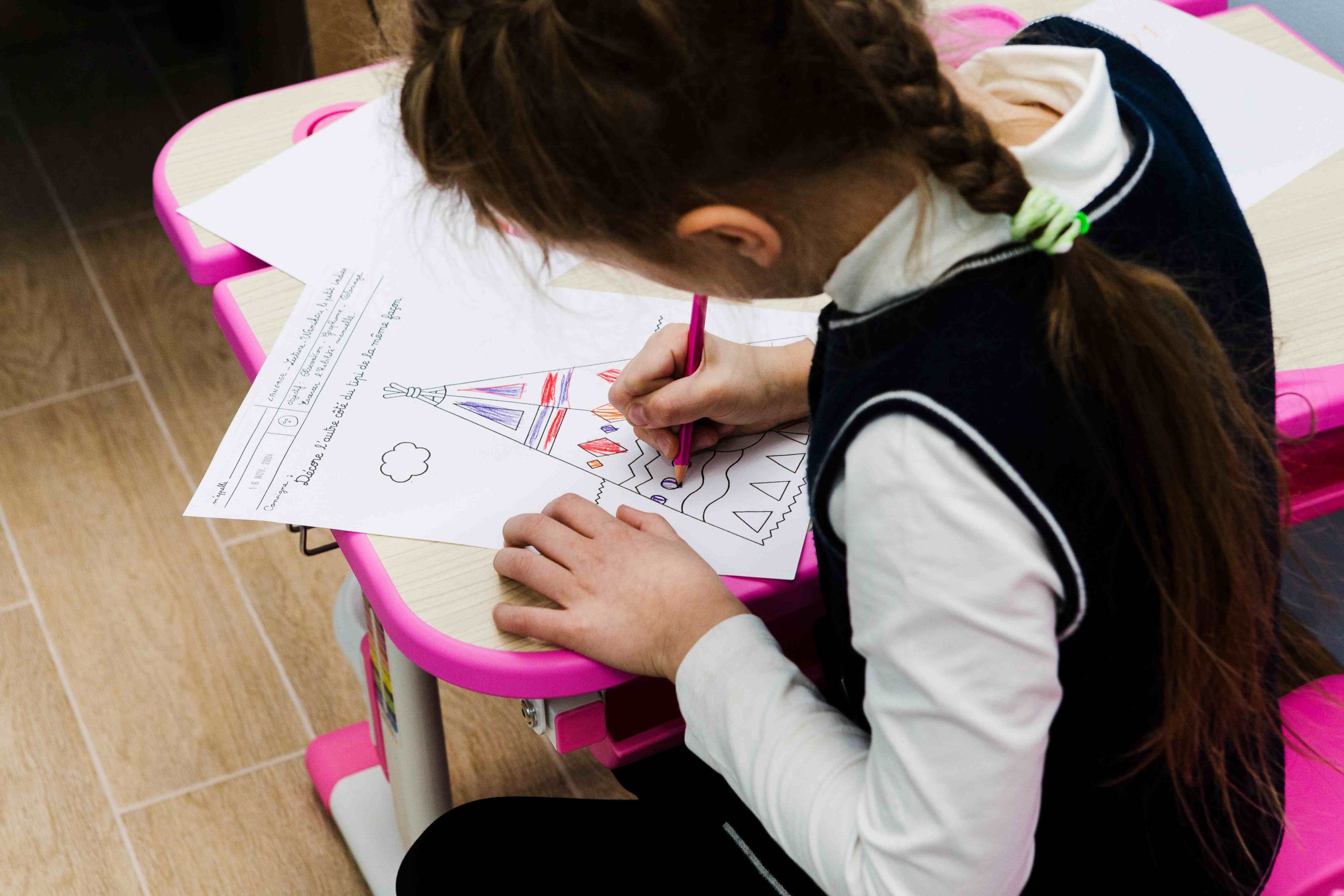
Nurturing Growth and Engagement: The Power of Preschooler Assignments
Preschooler assignments play a vital role in fostering growth, engagement, and development in early childhood education. These purposeful activities provide opportunities for preschoolers to apply and reinforce their learning, develop important skills, and cultivate a sense of independence and responsibility. This article explores the significance of preschooler assignments and highlights various types of assignments that promote holistic development.
I. Understanding the Purpose of Preschooler Assignments
Preschooler assignments serve multiple purposes in early childhood education. They aim to:
II. Types of Preschooler Assignments
III. Effective Implementation of Preschooler Assignments
To ensure the effectiveness of preschooler assignments, educators should consider the following strategies:
IV. Balancing Play and Assignments
Preschooler assignments should be integrated with ample opportunities for play and exploration. Play is essential for preschoolers’ overall development, as it enhances creativity, social skills, problem-solving abilities, and emotional well-being. Assignments should complement play-based learning rather than replace it. Educators should strike a balance between structured assignments and unstructured playtime to provide a well-rounded learning experience.
Preschooler assignments are valuable tools in early childhood education, fostering growth, engagement, and independence among preschoolers. By understanding the purpose of assignments, implementing a variety of assignment types, effectively executing assignments, and maintaining a balance between play and structured activities, educators can create a dynamic and enriching learning environment for preschoolers. These assignments not only reinforce learning but also promote the development of key skills, instill a love for learning, and lay a strong foundation for future academic success. Let us embrace the power of preschooler assignments as we nurture the potential and growth of our little learners.
V. Assessing and Evaluating Preschooler Assignments
Assessing and evaluating preschooler assignments is an important aspect of the learning process. It allows educators to gauge the progress and understanding of preschoolers, identify areas of strength and improvement, and provide targeted support. Here are some considerations for assessing and evaluating preschooler assignments:
By implementing effective assessment and evaluation practices, educators can gain valuable insights into preschoolers’ progress, tailor instruction to meet their needs, and provide targeted support for their continued growth and development.
Preschooler assignments play a crucial role in promoting growth, engagement, and independence. They reinforce learning, develop key skills, and cultivate a sense of responsibility. By understanding the purpose of assignments, implementing various assignment types, effectively executing assignments, and incorporating appropriate assessment and evaluation practices, educators can create a dynamic and impactful learning environment for preschoolers. These assignments not only support academic progress but also foster holistic development, preparing preschoolers for future success. Let us embrace the power of preschooler assignments as we nurture their potential and lay a solid foundation for lifelong learning.
VI. Creating Meaningful Connections: Collaborative Assignments
Collaborative assignments provide preschoolers with opportunities to work together, fostering social skills, communication, teamwork, and empathy. These assignments encourage preschoolers to share ideas, listen to others, compromise, and collectively solve problems. Here are some examples of collaborative assignments:
VII. Balancing Structure and Flexibility: Individualized Assignments
Preschoolers have diverse learning needs and abilities, and individualized assignments help meet those unique requirements. Individualized assignments allow for differentiation and personalized learning experiences. Here are some approaches to individualized assignments:
VIII. Engaging Parents: Home-Based Assignments
Preschooler assignments can extend beyond the classroom and involve parents or caregivers. Home-based assignments foster parental involvement in their preschoolers’ learning journey and strengthen the home-school connection. Here are some examples of home-based assignments:
By incorporating collaborative assignments, individualized assignments, and home-based assignments, educators can create a well-rounded approach to preschooler learning that considers their social, emotional, and familial contexts.
Preschooler assignments hold immense potential in fostering growth, engagement, and connection. By providing collaborative assignments, individualized assignments, and home-based assignments, educators can create a dynamic and inclusive learning environment for preschoolers. These assignments not only reinforce academic concepts but also cultivate essential skills such as collaboration, communication, and critical thinking. By striking a balance between structure and flexibility, educators empower preschoolers to take ownership of their learning, cater to their individual needs, and engage their families in the educational journey. Let us embrace the power of preschooler assignments as we create meaningful and impactful learning experiences that set the stage for a lifetime of curiosity and growth.
preschooler assignments serve as powerful tools in early childhood education, promoting growth, engagement, and development. Through a variety of assignment types, such as hands-on activities, art and creativity, language and literacy tasks, numeracy and mathematics exercises, and assignments related to social studies and culture, preschoolers can explore, learn, and thrive. By implementing effective strategies for assignment implementation, assessing and evaluating assignments, encouraging collaboration, providing individualized tasks, and engaging parents in the process, educators create an encouraging atmosphere that nurtures preschoolers’ potential. These assignments not only reinforce learning but also foster independence, critical thinking, problem-solving skills, and social-emotional development. As educators and caregivers, let us embrace the power of preschooler assignments as we create a stimulating and supportive environment that sets preschoolers on the path to lifelong learning and success.

Archives
Categories
- Articles
- E-preschool Enrichment
- Jumpstart Preschool
- Montessori Preschool
- Online Preschool
- Preschool
- Preschool Activities
- Preschool Age
- Preschool Apps
- Preschool Art Projects
- Preschool Assessment
- Preschool Assessment Tests
- Preschool Books
- Preschool Bulletin Board Ideas
- Preschool Classroom
- Preschool Coloring Pages
- Preschool Crafts
- Preschool Curriculum
- Preschool Design Ideas
- Preschool Developmental Milestone
- Preschool Drawing
- Preschool Education
- Preschool Fees
- Preschool Field Trip
- Preschool Fire Drills
- Preschool Flashcards
- Preschool For Special Needs
- Preschool Games
- Preschool Goodbye Sayings
- Preschool Goodie Bag Ideas
- Preschool Home Tutor
- Preschool Homeschool
- Preschool Homework
- Preschool Hours
- Preschool Jokes
- Preschool Kids
- Preschool Kit
- Preschool Learning
- Preschool Learning Journey
- Preschool Lesson Plans
- Preschool Levels
- Preschool Lunch Ideas
- Preschool Market
- Preschool Math
- Preschool Meaning
- Preschool Multiple Intelligences
- Preschool Music
- Preschool Newsletter
- Preschool Outdoor Activities
- Preschool Phonics
- Preschool Poem
- Preschool Printables
- Preschool Programmes
- Preschool Quotes
- Preschool Readiness
- Preschool Reading
- Preschool Science Experiments
- Preschool Songs
- Preschool Syllabus
- Preschool Teacher
- Preschool Themes
- Preschool Units
- Preschool Words
- Preschool Workbooks
- Preschool Worksheets
- Preschool Writing Prompts
- Preschool Zoom Backgrounds
- Preschooler
- Transitional Preschool
- Uncategorized
- Virtual Preschool